

Research & Conservation
Research and monitoring are at the heart of Wild New Forest Guided Tours. Alongside our guided experiences, we undertake a wide range of scientific surveys and conservation projects across the New Forest and the Solent. Working with organisations including the British Trust for Ornithology, RSPB and Forestry England, our work helps improve understanding of wildlife and informs its long-term conservation.

New Forest Ringing Group
The New Forest Ringing Group carries out a range of long-term bird monitoring projects across the New Forest and the Solent. Working under licence from the British Trust for Ornithology, our ringing contributes valuable scientific data to help understand bird populations, movements and conservation.

Hawfinch Research
Our Hawfinch research has been running for over a decade and forms part of the British Trust for Ornithology's Ringing Adults for Survival (RAS) scheme. Through ringing, monitoring and tracking, we are helping to improve understanding of one of Britain's most elusive woodland finches.

Pine Marten Project
The return of the Pine Marten to southern England is one of the country's most exciting conservation stories. Through camera trapping, hair tube surveys and habitat monitoring, we are helping to build a clearer picture of this remarkable species within the New Forest

Nocturnal Wader Survey
Many waders spend the day hidden before feeding under the cover of darkness. Our nocturnal surveys help identify important feeding sites for species including Jack Snipe, Common Snipe and Eurasian Woodcock, improving our understanding of these secretive birds.
.jpg)
Tern Colour-ringing Programme
Working alongside our conservation partners, we colour-ring Little, Common and Sandwich Terns across the Solent. Every colour-ring sighting helps reveal where these birds travel, where they spend the winter and whether they return to breed.

Small Mammal Survey
Small mammals play a vital role within the New Forest ecosystem, yet many remain poorly understood. Our ongoing surveys monitor the distribution and abundance of species such as Wood Mouse, Bank Vole and Common Shrew, helping build a clearer picture of woodland biodiversity.
Ecological Surveys & Monitoring
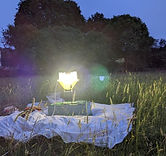
Conservation begins with understanding what is present. Throughout the year we undertake a diverse range of ecological surveys, from moth trapping and breeding bird monitoring to baseline farm surveys and habitat assessments. Working alongside conservation organisations, land managers and private landowners, our fieldwork helps build a clearer picture of the New Forest's wildlife and supports informed conservation management for the future.